

Identify a pest
Not sure what you are dealing with? Start with what you have noticed, then check the pest guide below. If you are still not sure, send us a photo and we will tell you.
What are you seeing?
Most people notice a sign before they see the pest itself. Find the closest match below.
Droppings
Small, dark, rice-sized droppings (about 3 to 6mm) usually mean mice. Larger, capsule-shaped droppings (about 10 to 14mm) usually mean rats.
Scratching in the loft, walls or floors
Scurrying at night is usually rats or mice. Heavier thumping early in the morning and during the day points to grey squirrels.
Likely: Rats, Mice, Grey squirrels
Gnawed wood, cables or packaging
Fresh gnaw marks, chewed food packaging or damaged cables are a sign of rodents or squirrels, and a fire risk where cables are affected.
Likely: Rats, Mice, Grey squirrels
Itchy bites when you wake up
Bites in lines or clusters on the arms, neck or shoulders, with small dark spots on mattress seams, often mean bed bugs. Bites around the ankles, especially with pets in the house, usually mean fleas.
Insects flying in and out of one spot
A steady stream of wasps going in and out of a gap in the eaves, an airbrick or a shed means a nest. Hairier, golden-brown insects, or a large cluster on a branch or wall, are likely honey bees.
Lots of slow flies in upstairs rooms
Flies gathering at windows in lofts and upper rooms in autumn, or on warm spring days, are probably cluster flies.
Likely: Flies
Small round holes in timber
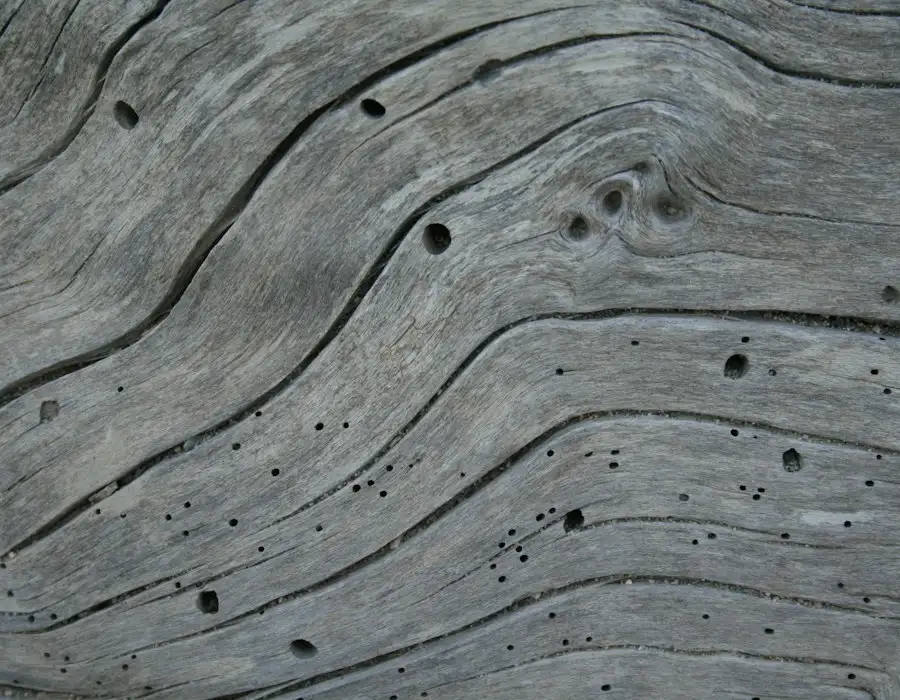
Holes about 1 to 2mm across, with fine powdery dust below, are the classic sign of woodworm. Fresh, pale dust suggests it may still be active.
Likely: Woodworm
Holes in carpets, rugs or woollens
Look for small, hairy brown larvae, known as woolly bears, at the edges of carpets, under furniture and in dark cupboards.
Likely: Carpet beetle
Trails of small insects in the kitchen
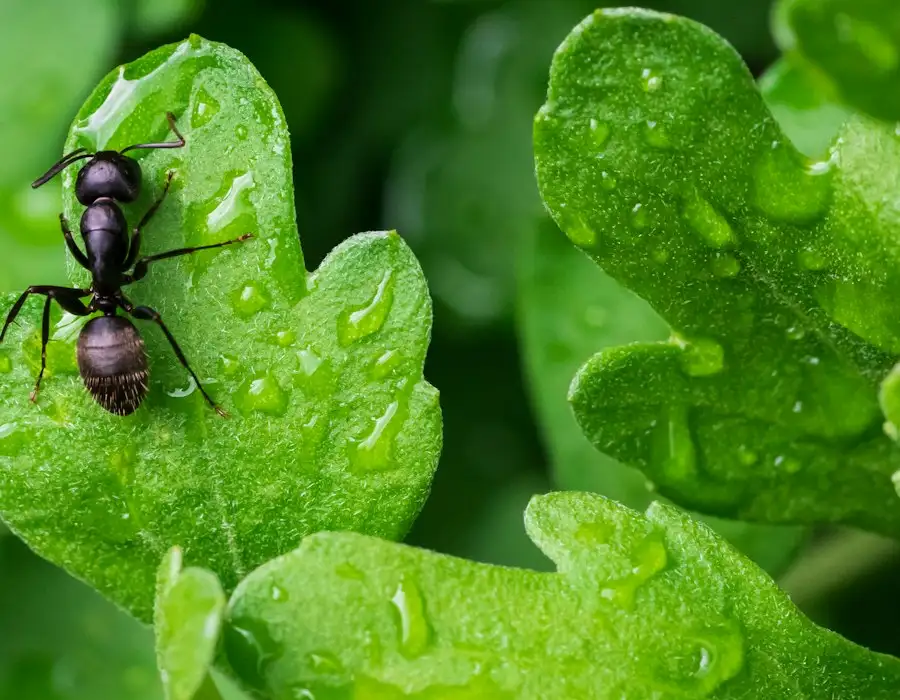
Black ants coming in from outside in summer are usually black garden ants. Tiny, pale ants in a warm building could be Pharaoh ants, which need professional treatment.
Likely: Ants
Insects that run when the light goes on
In kitchens at night, often with a musty smell, they may be cockroaches. Small, silvery insects darting away in a bathroom are usually silverfish.
Likely: Cockroaches, Silverfish
Grey bugs near doors and damp walls
Small, grey, armoured bugs on ground floors are woodlice, and usually a sign of damp nearby.
Likely: Woodlice
Damage to lawns and gardens
Mounds of soil and raised tunnels mean moles. Scrapes, burrows, grazed plants and small round droppings point to rabbits.
Birds on the roof or droppings on ledges
Droppings building up under ledges, solar panels or loading bays mean roosting pigeons. Large, noisy birds nesting on flat roofs and chimneys are usually gulls.
Pest identification guide
Size, what to look for and where each pest is usually found. Sizes are typical adult sizes.
Rodents and wildlife
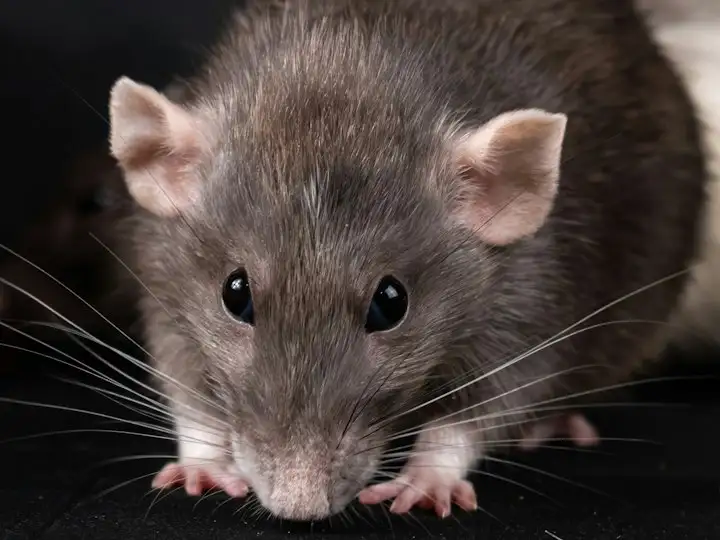
Rats
- Size
- Body 20 to 27cm, plus a long, scaly tail
- Look for
- Blunt nose, small furry ears and coarse brown fur. Droppings about 10 to 14mm.
- Where
- Gardens, sheds, drains, under floors and in cavity walls.
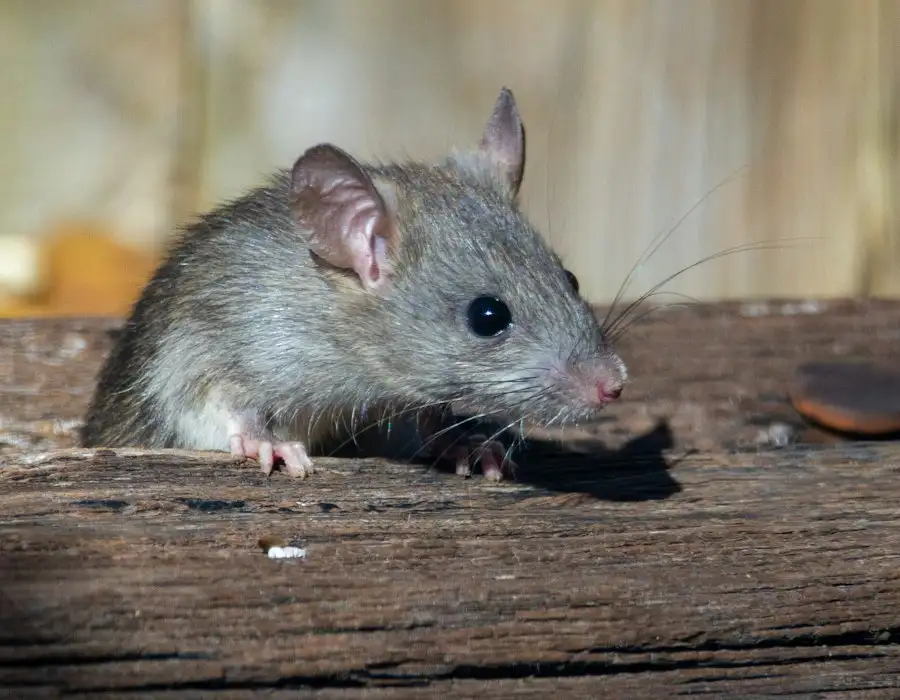
Mice
- Size
- Body 6 to 9cm, with a tail about as long
- Look for
- Pointed nose, large ears and grey-brown fur. Droppings about 3 to 6mm.
- Where
- Lofts, kitchens, cupboards and behind appliances.
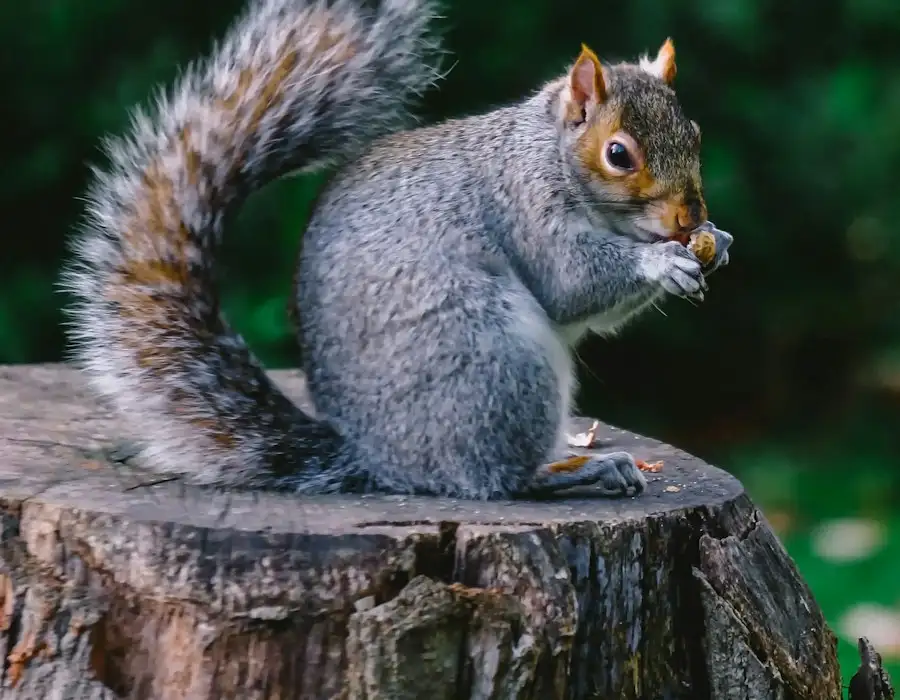
Grey squirrels
- Size
- Body about 25cm, plus a bushy tail
- Look for
- Grey fur, active by day. Noise in the loft early in the morning.
- Where
- Lofts, roof spaces and garden trees.
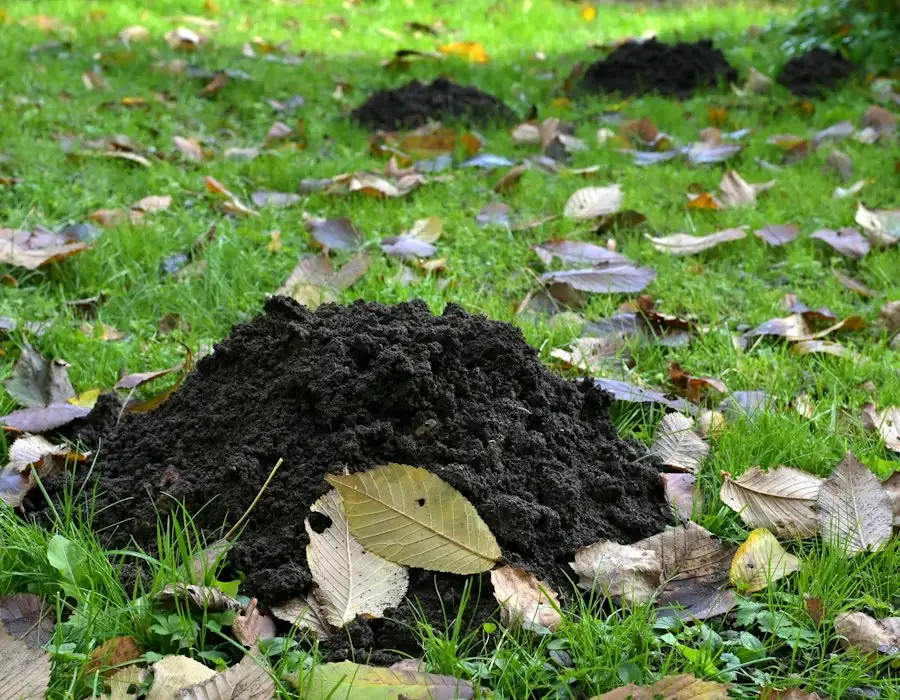
Moles
- Size
- About 15cm, rarely seen above ground
- Look for
- Velvety black fur and large digging front feet. Molehills and raised tunnels.
- Where
- Lawns, paddocks, sports grounds and fields.
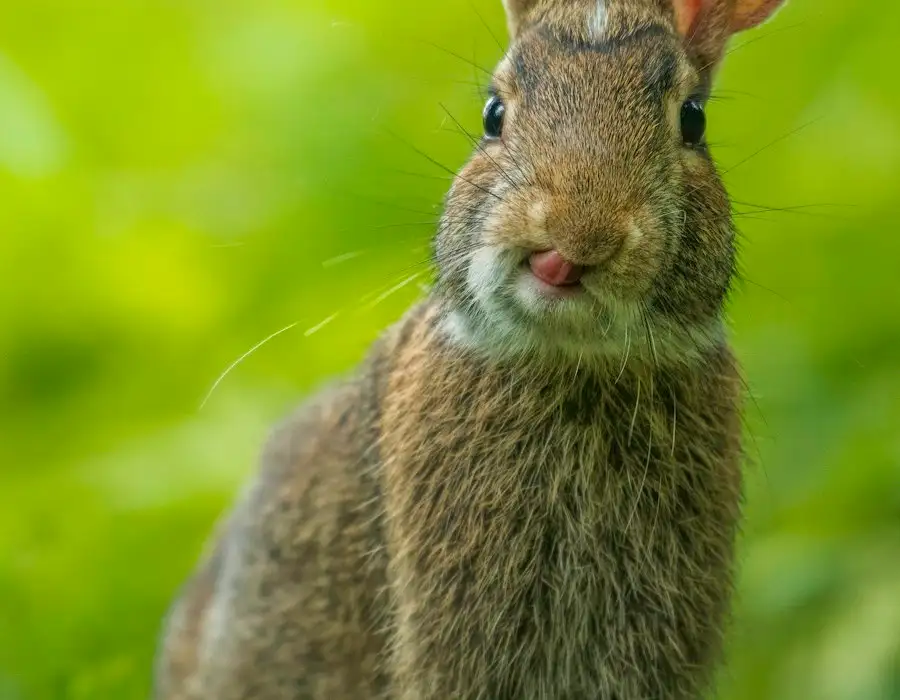
Rabbits
- Size
- About 40cm
- Look for
- Brown-grey fur and a white tail. Burrows, scrapes, grazed plants and round droppings.
- Where
- Gardens, field edges, banks and verges.
Wasps, bees and flies
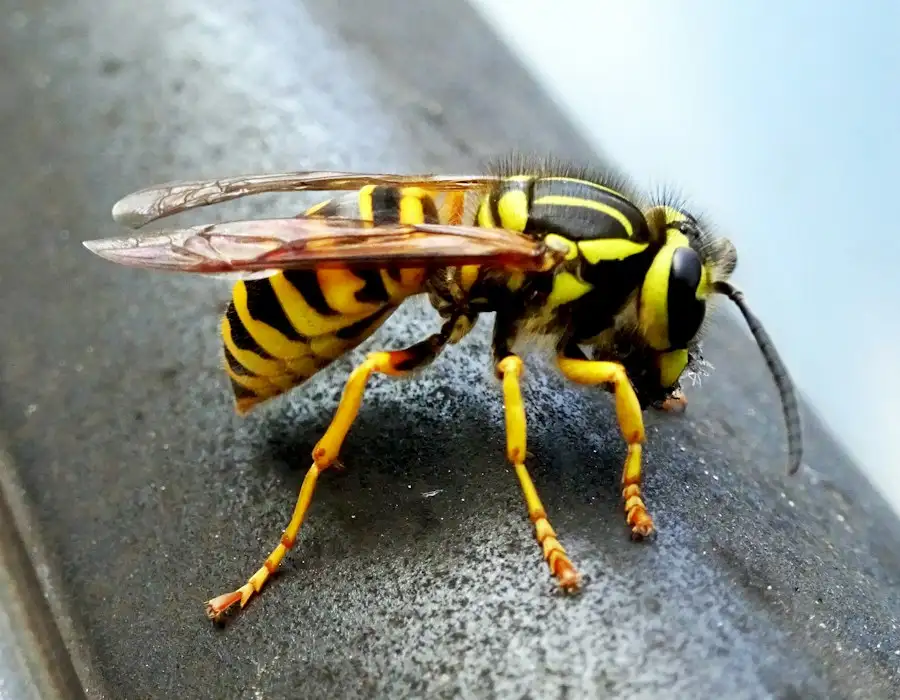
Wasps
- Size
- About 12 to 17mm
- Look for
- Bright yellow and black, with a narrow waist and little hair. Nests are papery and grey.
- Where
- Roof spaces, eaves, airbricks, sheds and hedges.
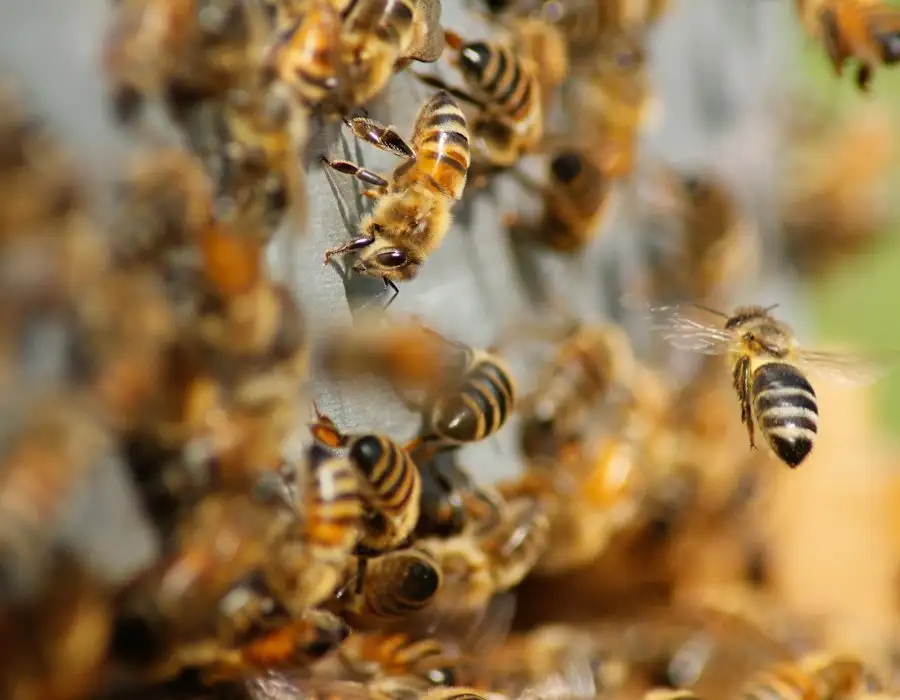
Bees
- Size
- About 12 to 15mm
- Look for
- Golden-brown and hairy. Swarms are most common in late spring and early summer.
- Where
- Chimneys, roof voids, wall cavities and trees.
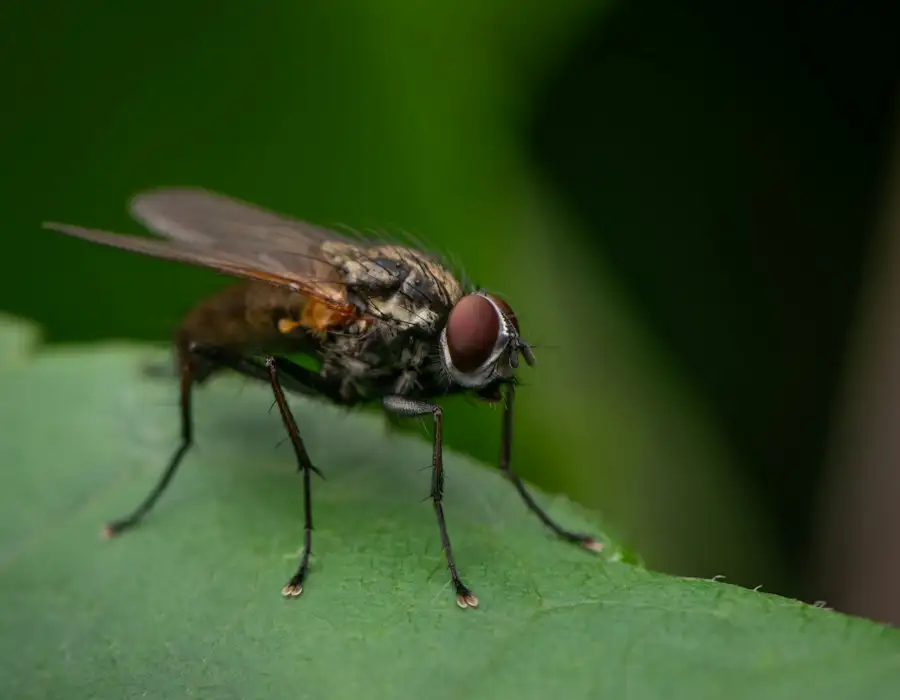
Flies
- Size
- Cluster flies about 8mm
- Look for
- Larger and slower than a house fly, with golden hairs on the body. They gather in groups.
- Where
- Lofts, upstairs rooms and window frames in autumn and spring.
Insects in the home
Bed bugs
- Size
- Adults about 5mm, the size of an apple seed
- Look for
- Flat, oval and reddish-brown. Small dark spots and shed skins on mattress seams.
- Where
- Beds, headboards, sofas and skirting near where people sleep.
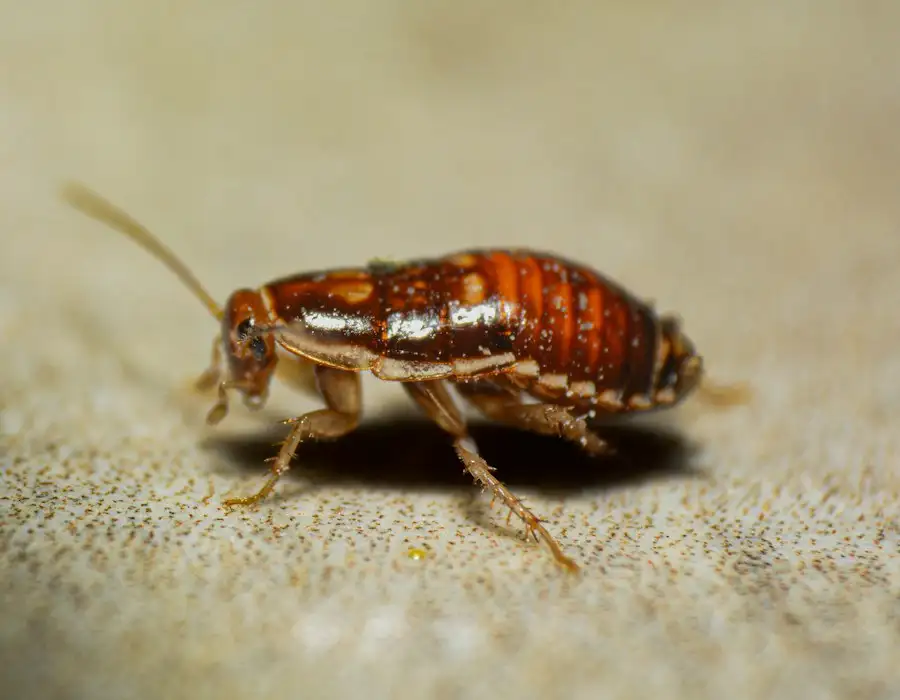
Cockroaches
- Size
- German about 12 to 15mm, Oriental about 20 to 25mm
- Look for
- German: light brown with two dark stripes. Oriental: dark brown to black and shiny. Active at night.
- Where
- Kitchens, behind cookers and fridges, and around pipes and drains.
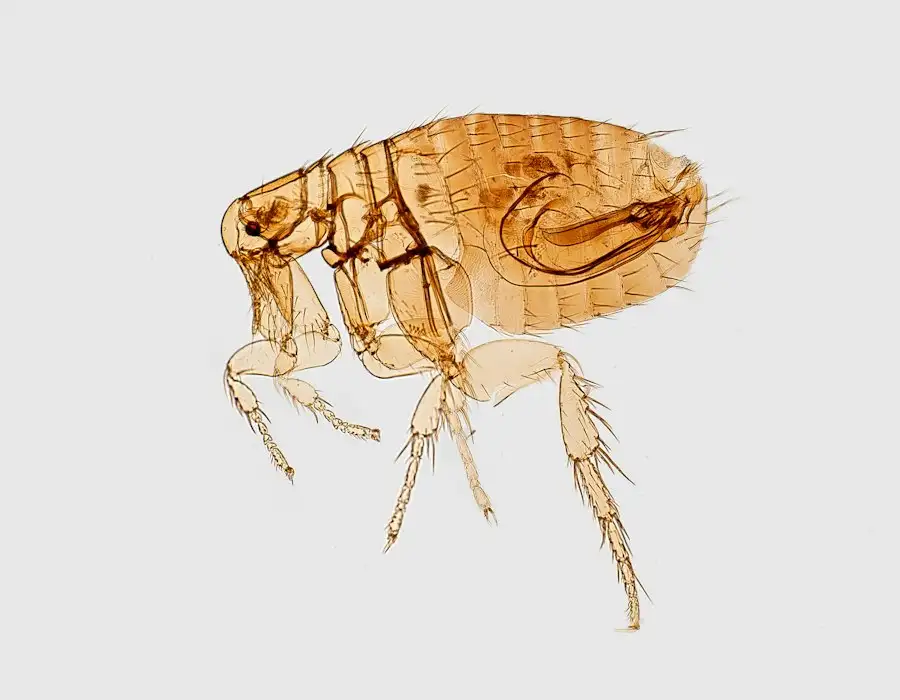
Fleas
- Size
- About 2 to 3mm
- Look for
- Dark reddish-brown, flattened from side to side, and good jumpers. Bites around the ankles.
- Where
- Carpets, pet bedding, sofas and floors.
Ants
- Size
- Black garden ants 3 to 5mm, Pharaoh ants about 2mm
- Look for
- Black garden ants follow trails indoors in summer. Tiny, pale Pharaoh ants live inside warm buildings.
- Where
- Kitchens, patios, paths and wall edges.
Carpet beetle
- Size
- Adults 2 to 4mm, larvae about 4 to 5mm
- Look for
- Adults are small, round and mottled. Larvae are hairy and brown, known as woolly bears.
- Where
- Carpet edges, under furniture, wardrobes and airing cupboards.
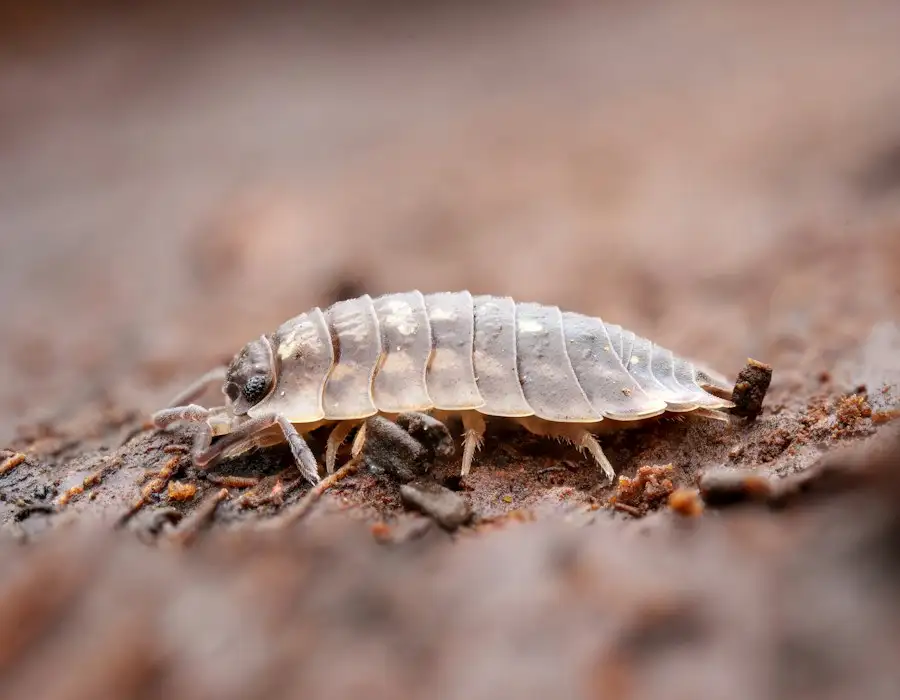
Woodlice
- Size
- About 10 to 15mm
- Look for
- Grey, armoured and segmented. Some roll into a ball.
- Where
- Damp areas near doors, skirting and ground floor walls.
Woodworm
- Size
- Exit holes about 1 to 2mm
- Look for
- Small round holes in timber with fine powdery dust below. The adults are small brown beetles.
- Where
- Floorboards, roof timbers, stairs and old furniture.
Silverfish
- Size
- About 10 to 12mm
- Look for
- Silvery, carrot-shaped, wingless and fast. Active at night.
- Where
- Bathrooms, kitchens and other damp, humid rooms.
Birds
Pigeons
- Size
- About 30 to 35cm
- Look for
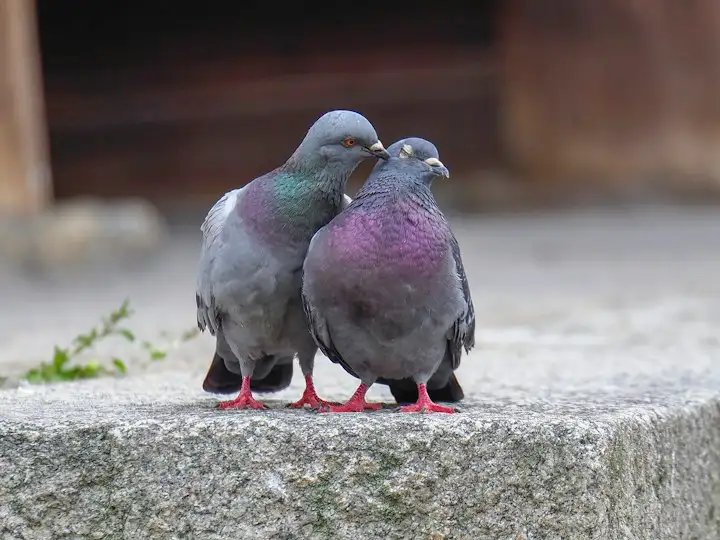
- Grey, with a green and purple sheen on the neck. Droppings build up below roosts.
- Where
- Ledges, roofs, solar panels and loading bays.

Gulls
- Size
- About 55 to 65cm
- Look for
- Large, white and grey, noisy and protective of their nests.
- Where
- Flat roofs and chimneys, nesting from spring to late summer.
Send us a photo on WhatsApp (opens in a new tab) or call the office on 01775 720015, and we will tell you what it is and what to do next. Please do not try to move a wasp or bee nest yourself.
Need a hand? Get in touch today.
Covering Spalding, Peterborough, Boston, Holbeach and the surrounding towns and villages.