
Scratching in the loft at night, or droppings at the back of a kitchen cupboard? Our trained technicians deal with mice in homes and businesses across Spalding, Peterborough and the villages around them every week.
About mice
House mice are small, quick breeders and can squeeze through a gap about the width of a pencil. They contaminate food with urine and droppings and gnaw constantly. Mouse problems usually rise in autumn as the weather turns and mice move indoors.
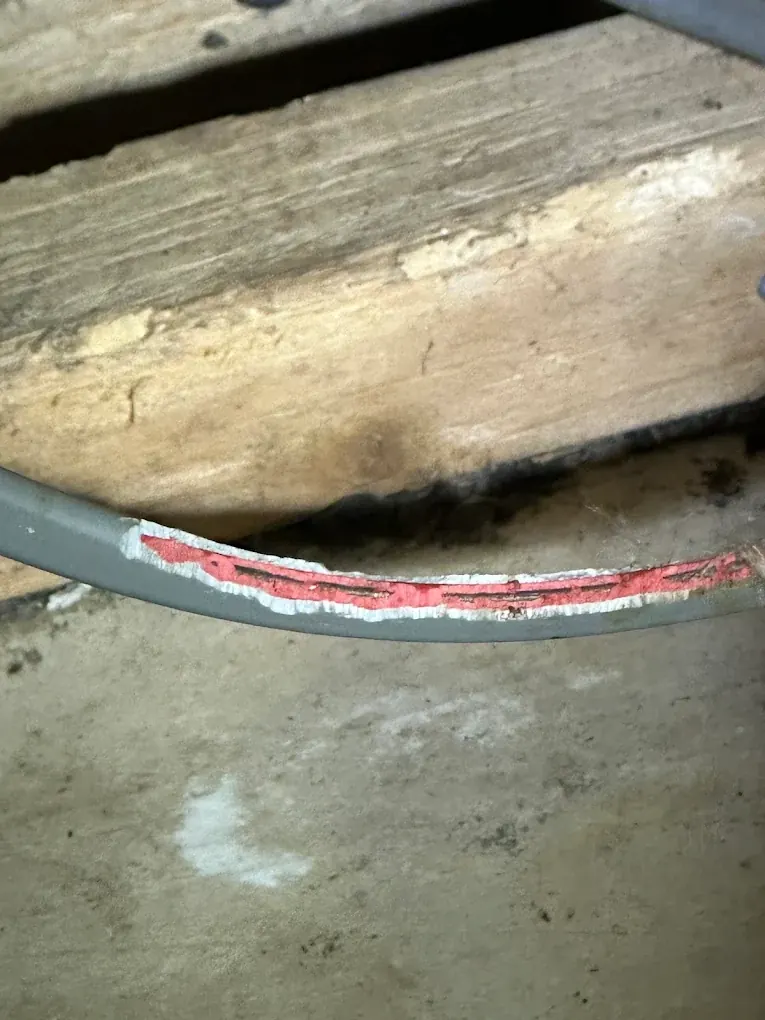
Signs of mice
- Small, dark droppings, 3 to 6mm long
- Nibbled food packaging
- Shredded paper and fabric used as nesting
- A musky smell in cupboards or lofts
- Scratching in the loft, walls or under floors at night
Larger droppings, about 12mm long, point to rats instead. If you are not sure which you have, our identify a pest guide compares the two, or you can send us a photo.
How mice get in
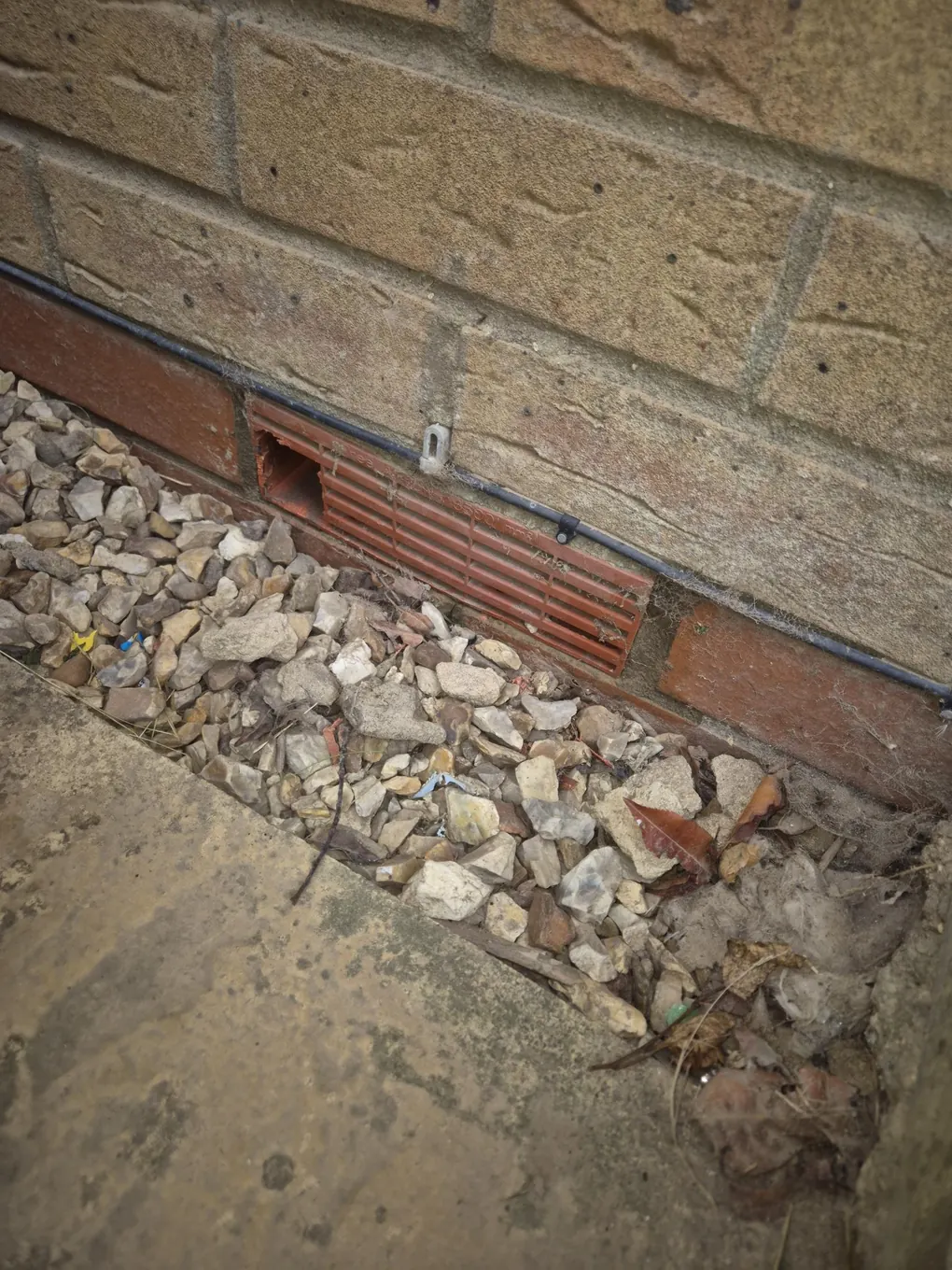
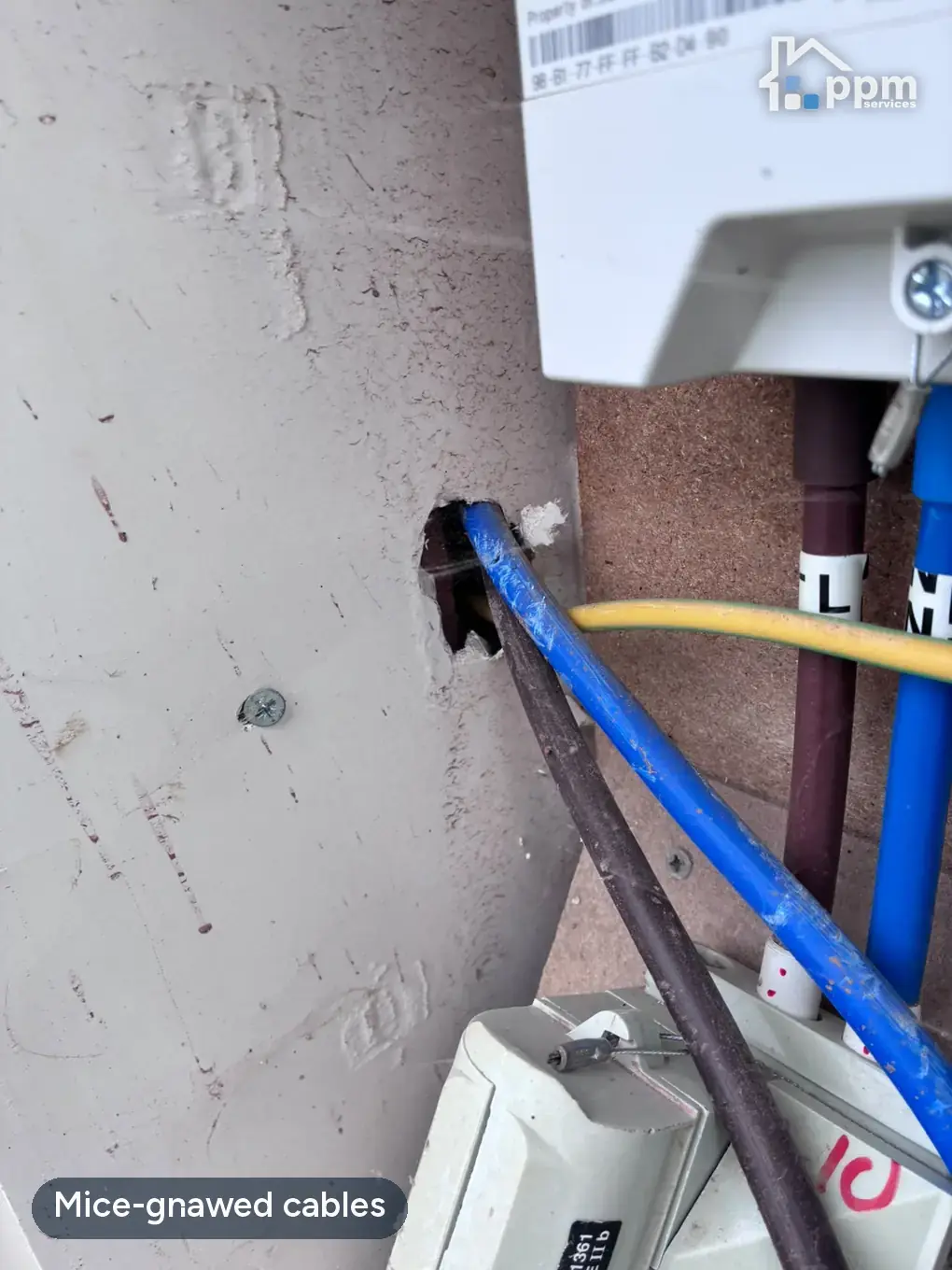
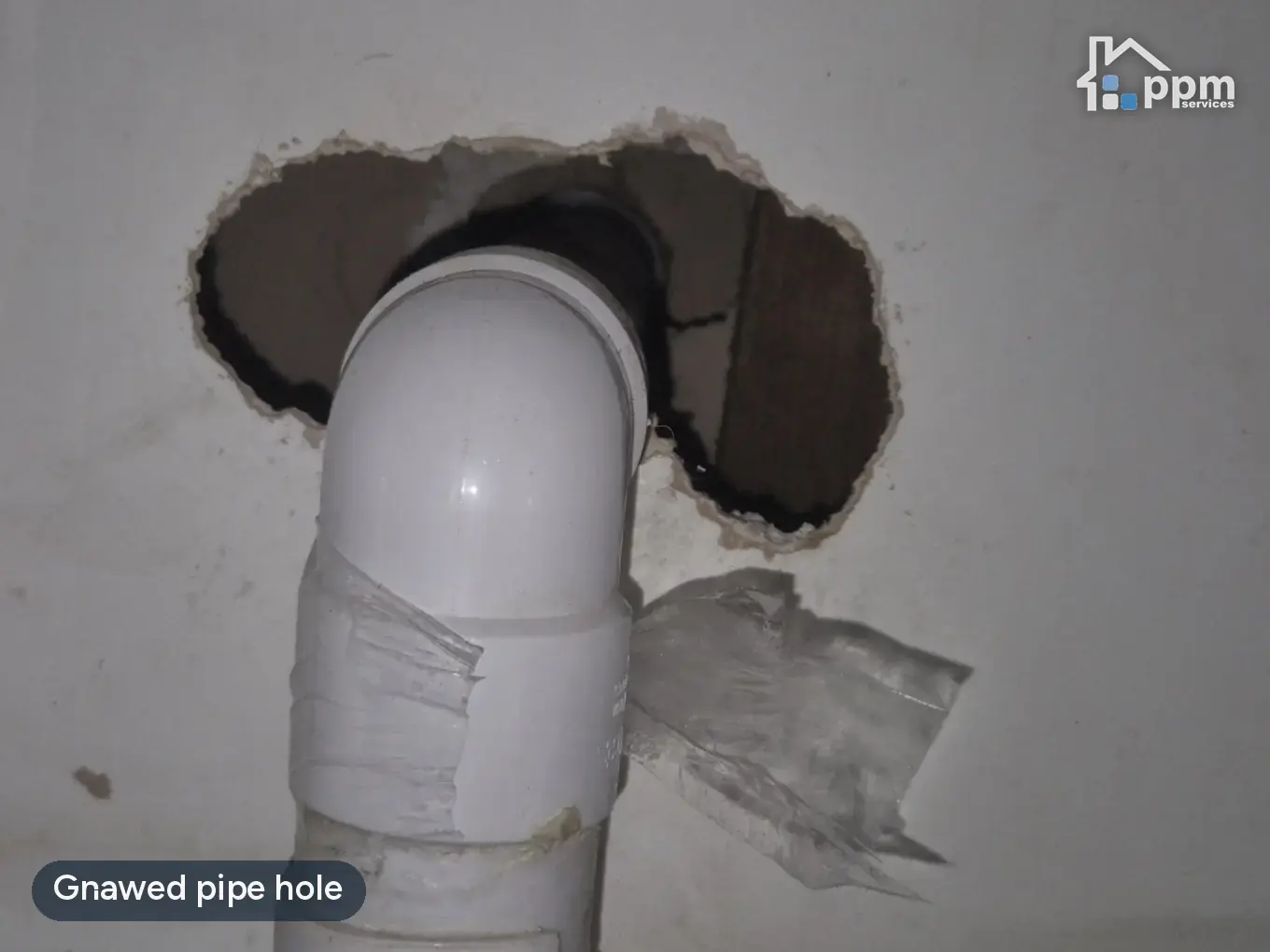
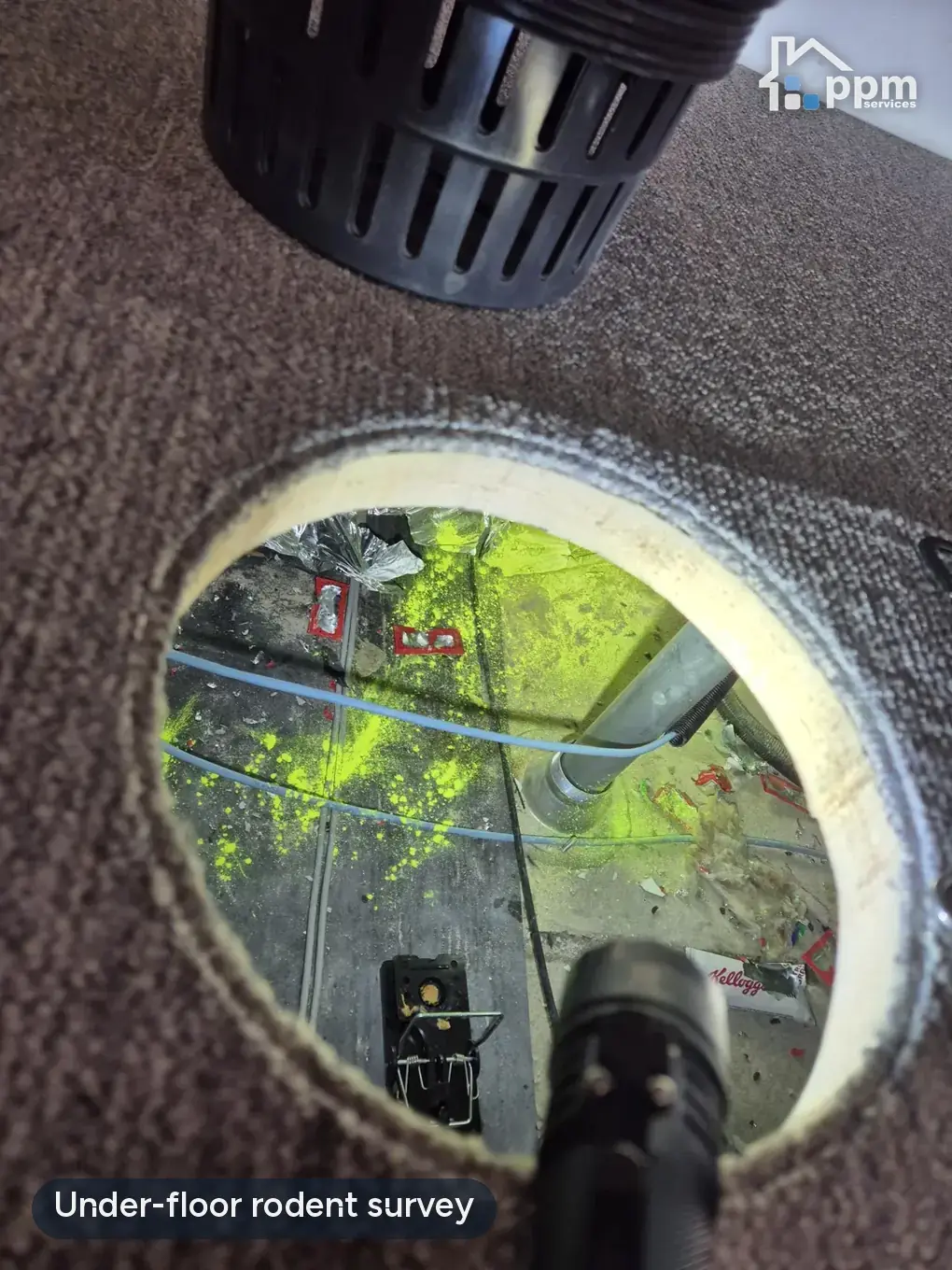
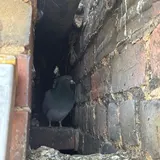
Because a mouse needs such a small gap, the way in is easy to miss. Common routes are broken air bricks, gaps around pipes and cables where they pass through walls, gaps under doors and holes behind kitchen units. Once inside, mice travel through wall cavities, under floors and along pipe runs, which is how they reach lofts and upstairs rooms.
How we deal with mice
- SurveyWe confirm that it is mice, how far they have spread and how they are getting in.
- TreatmentWe choose the most suitable method for your property. In homes we often use trap systems, so the mice are removed rather than left to smell.
- ProofingWe seal entry points with materials mice cannot chew through.
- Follow-upWe return to check results and remove any traps or bait.
Where we use professional rodenticides, they go inside secure bait stations that children and pets cannot open, and we tell you where every station is.